
Dear Diary,
I think we can all agree that every single human has sensory preferences. Whether you’re neurodivergent, or neurotypical there will always be a sound, a smell, a taste or a texture that you’ll either find delightful or dreadful. The most overlooked sense is vision even though it’s human nature to make judgements based on the appeal of visual appearance.
For example, as humans, we tend to judge things heavily based on appearance. I’m especially guilty of this, as I’m no stranger to forming opinions on things such as foods, based on what they look like. However, I feel like having a visual preference is often frowned upon in society, especially when it comes to dating or building friendships. Many people who sit up on a high horse will say “don’t judge a book by its cover”, but I think that as humans, we eventually develop our own preferences, which makes us all act with an unconscious bias.
On the other hand, when it comes to something like sound, there can be a huge difference between the way a neurotypical person may respond to it and how a neurodivergent person may respond to it. For instance, before my diagnosis, I struggled a lot with misophonia. Certain sounds like chewing, loud breathing and snoring, would cause me emotional distress or physical pain, whereas a neurotypical person might just be a little irritated by the sounds. However, I’m not a complete Debbie Downer. Brown noise is one of the sounds that I can always count on to comfort me, especially when I’m overstimulated.
Now, you know what absolutely repulses me? Lavender. It’s not that it smells bad, it just has an overwhelming smell, and it makes my head hurt. Speaking of overwhelming smells, can we ban perfume and colognes from classrooms? Without sounding completely self-centred, I wish that some of the girls and boys in my class would be more considerate of the people who can’t handle the scent of their Victoria Secret or their Lynx Africa
Although everybody has preferences regarding food, it’s a known phenomenon that people with autism are picky eaters. With this in mind, here’s a list of all the foods I refuse to eat:
- Fish & all seafood
- Mushrooms
- Pork
- Salad (from restaurants specifically)
- Onion rings
- Courgettes
- Black Liquorice
This list of things consists of things that I dislike either because of the taste or the texture. For example, no matter how well-seasoned it is courgettes and mushrooms always felt like eating slugs. Whereas fish just doesn’t taste nice in my opinion.
As I said before, we all have sensory preferences. However, when you have autism, your response to the world around you is different from those who might not have autism. These heightened or diminished sensitivities can impact daily life in ways that are sometimes difficult to explain, but they are a core part of the autistic experience.
What is Misophonia?
Misophonia is a disorder in which certain sounds trigger emotional or physiological responses that some might perceive as unreasonable given the circumstance. Those who have misophonia might describe it as when a sound “drives you crazy.” Their reactions can range from anger and annoyance to panic and the need to flee. The disorder is sometimes called selective sound sensitivity syndrome.
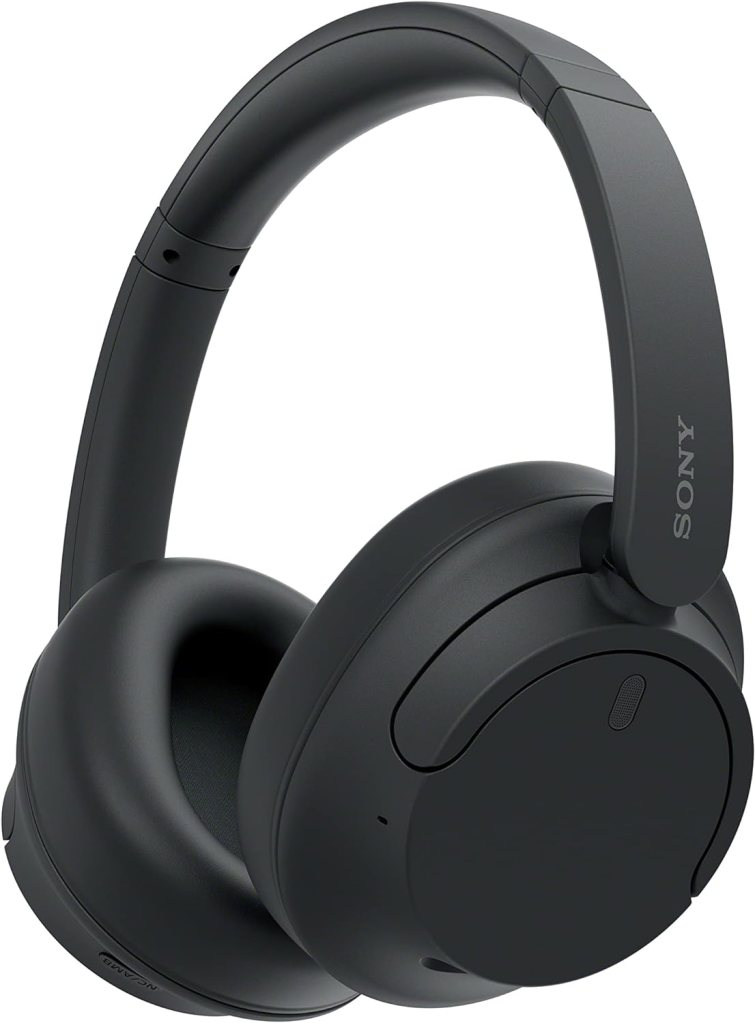
Are you wondering how I cope with all the noise? It’s all thanks to my life-saving noise-cancelling headphones! (THIS IS NOT SPONSORED): https://www.amazon.co.uk/Sony-WH-CH720N-Cancelling-Bluetooth-Headphones-Black/dp/B0BTDX26B2/ref=asc_df_B0BTDX26B2/?tag=googshopuk-21&linkCode=df0&hvadid=697276731800&hvpos=&hvnetw=g&hvrand=2587563431722955801&hvpone=&hvptwo=&hvqmt=&hvdev=c&hvdvcmdl=&hvlocint=&hvlocphy=1007877&hvtargid=pla-1964263222020&psc=1&mcid=1f32531ec5483869b5152f72a3b700ed&th=1&psc=1&gad_source=1
“What makes us different, also makes us special. ” – Anonymous
What are some of your sensory preferences? How do you manage Sensory Overloads?
Signing off,
Anna.
Discover more from AfroSkeptic
Subscribe to get the latest posts sent to your email.
 AfroSkeptic